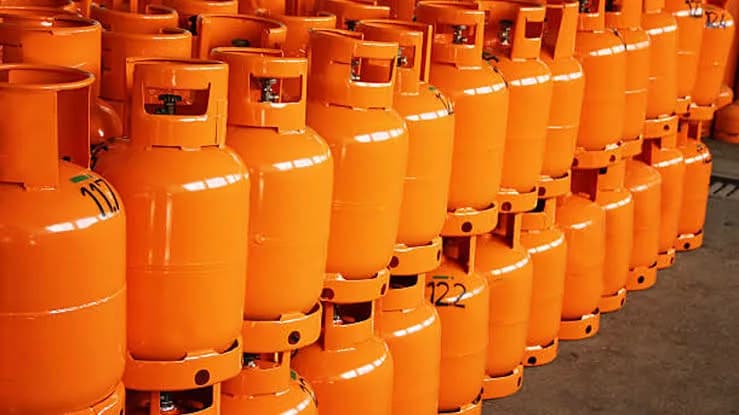
Prime Minister Shehbaz Sharif has shifted the responsibility for determining liquefied petroleum gas (LPG) prices from the Oil and Gas Regulatory Authority (OGRA) to Pakistan State Oil (PSO) and Sui Southern Gas Company Limited (SSGCL). The move places the two state-owned companies in charge of setting LPG cylinder prices across the country.
Following the prime minister’s instructions, Petroleum Minister Ali Pervaiz Malik has formally assigned PSO and SSGCL the authority to determine LPG prices nationwide, marking a major change in the country’s existing pricing mechanism.
Imported LPG shipments Expected Next Week
The government has placed orders for imported LPG, with shipments expected to reach Pakistan next week. Officials anticipate that increased supplies, combined with the revised pricing mechanism, will help reduce LPG prices significantly across the country.
The development follows the federal cabinet’s approval of a comprehensive reform package aimed at restructuring Pakistan’s LPG sector. The proposed changes introduce a deregulated pricing framework, replacing OGRA’s monthly price notifications with an import-parity-based system under which state-owned companies will determine prices.
As part of the reforms, PSO, Pakistan LNG Limited, SSGC LPG and PARCO Pearl Gas will return to the LPG import market. Their participation is intended to promote competition, improve supply availability and strengthen the country’s fuel import system.
Under the new arrangement, domestic LPG producers will be required to allocate 10 per cent of their production to state-owned companies. These supplies will be distributed to remote and underserved regions, while the remaining 90 per cent will be sold through transparent monthly auctions.
The government also plans to establish a dedicated subsidy fund to provide LPG at an expected rate of Rs. 300 to Rs. 350 per kilogram to eligible households registered under the Benazir Income Support Programme (BISP).
In addition to pricing and supply reforms, the package introduces stricter quality inspections and safety requirements. It also includes restrictions on unauthorised LPG filling and transportation activities, along with measures to prevent cartelization and curb undocumented imports.
Through these changes, the government aims to improve LPG market regulation, encourage competition, strengthen supply chains and make the fuel more accessible to consumers across Pakistan.